What Is Sports Injury Rehabilitation?
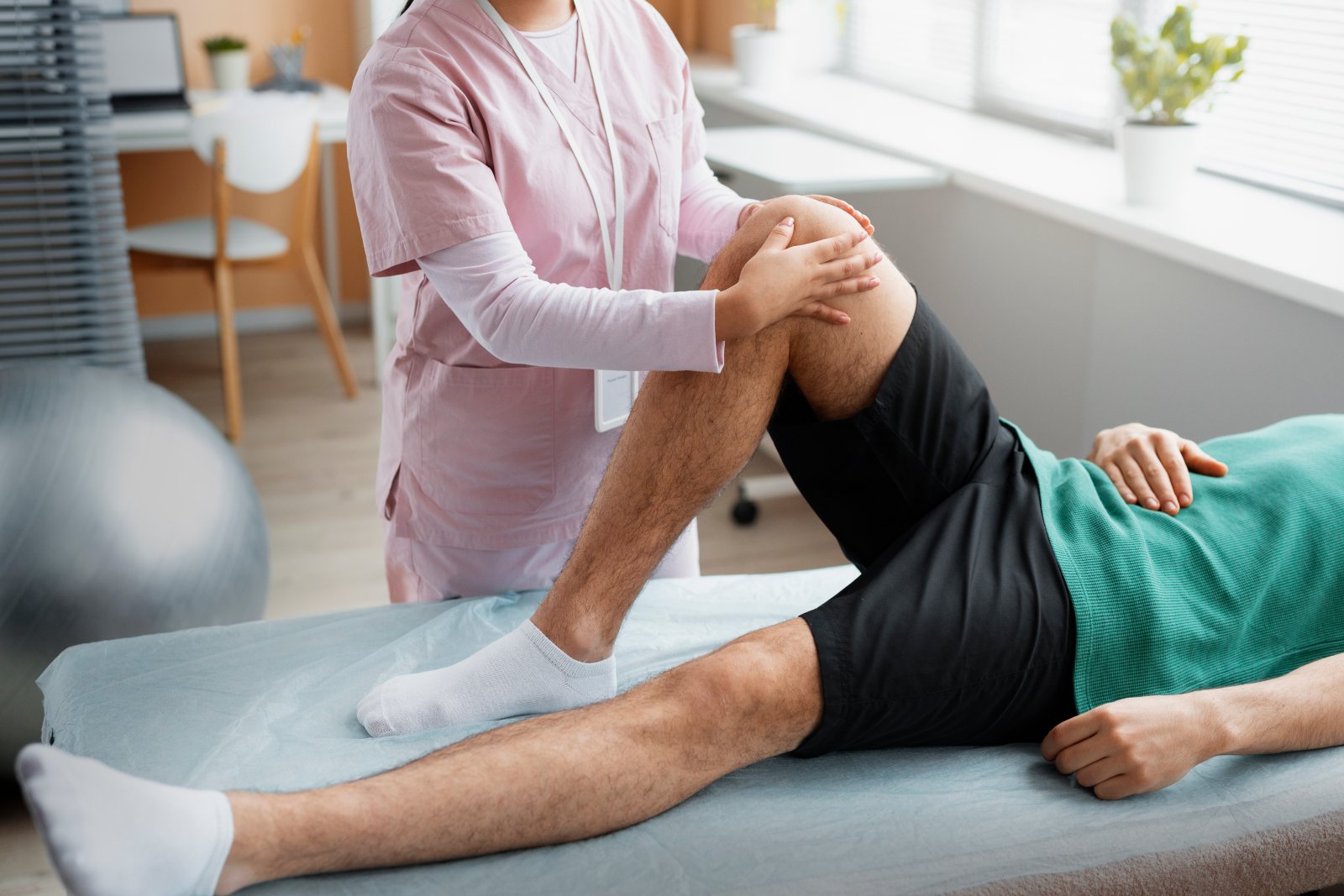
Sports injury rehabilitation is a step-by-step process that helps people recover from athletic injuries. Right from the start, the main goal is to restore strength, improve mobility, and regain function. Often, this process includes exercises, stretches, and hands-on therapy. For many, rehab helps them return to their favorite activities safely.
Common Types of Sports Injuries
Many types of injuries can happen during sports or exercise. However, some injuries are more common than others. For example, you may see:
In addition, overuse injuries like tendinitis can develop over time. Each injury may need a different rehab plan.
Symptoms and Signs That Need Rehabilitation
After a sports injury, some signs mean you may need rehabilitation. For instance, you might notice:
If you see these symptoms, it is important to start sports injury rehabilitation. Early rehab can help prevent lasting problems.
Goals of Sports Injury Rehabilitation
Every rehab plan has clear goals. First, the aim is to reduce pain and swelling. Next, the focus shifts to restore strength after sports injury. Then, improving mobility in sports rehab becomes important. Finally, the main goal is to help you regain function after athletic injury. This means you can move, play, and live as you did before.
Key Phases of Rehabilitation
Sports injury rehabilitation usually happens in phases. Each phase builds on the last. For example:
As you move through these phases, your rehab plan may change. Your therapist will guide you at each step.
Techniques to Restore Strength
Regaining muscle strength is key in sports injury rehabilitation. To help, therapists use many techniques. For instance, you may do:
As you get stronger, exercises become harder. This helps you restore strength after sports injury safely.
Methods to Improve Mobility
Improving mobility in sports rehab means moving joints and muscles more easily. Many methods can help. For example:
With regular practice, you can improve mobility and reduce stiffness over time.
Strategies to Regain Function
After an injury, it is important to regain function after athletic injury. Therapists use special strategies for this. For instance, you may practice:
These strategies help you return to daily life and sports safely.
Prevention of Re-Injury
Preventing another injury is a key part of sports injury rehabilitation. There are many ways to lower your risk. For example:
Conclusion:
Sports injuries can affect strength, flexibility, and performance if not managed properly. A structured rehabilitation plan focusing on mobility, strengthening, and gradual recovery can help restore function and support a safer return to activities. With the right guidance, you can rebuild confidence in your movement.
Recover stronger after a sports injury with expert physiotherapy support.
Consult Movement School Physio Clinics for personalised rehabilitation and recovery guidance.