Pre-natal Physiotherapy: Benefits, Techniques, and Safety for Expecting Mothers

What is Pre-natal Physiotherapy?

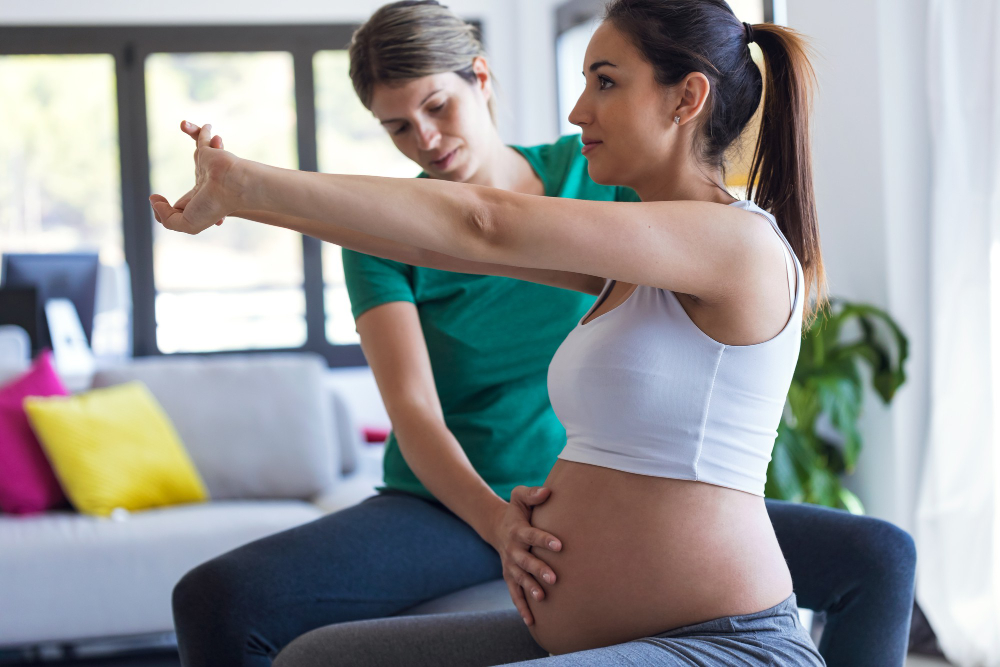
Pre-natal physiotherapy is a special type of care for pregnant women. It uses gentle exercises and treatments to help manage changes during pregnancy. Many women experience pain, stiffness, or stress as their bodies change. Because of this, pre-natal physiotherapy can make pregnancy more comfortable. It is safe when done with a certified physiotherapist. In fact, many experts recommend it for expecting mothers.

Key Benefits for Expecting Mothers

Pre-natal physiotherapy offers many advantages. For example, it can help with pain and improve movement. Here are some main benefits:

  • Pain Relief: It can reduce back, hip, and pelvic pain.
  • Improved Mobility: Gentle exercises keep joints and muscles flexible.
  • Better Posture: It teaches safe ways to move and sit.
  • Stress Reduction: Relaxation techniques help lower anxiety.
  • Preparation for Birth: Exercises can make labor easier and faster.
  • Faster Recovery: It may help the body heal after delivery.
  • Moreover, these benefits are supported by research from trusted sources like the World Health Organization (WHO) and the American College of Obstetricians and Gynecologists.

    Common Techniques and Exercises

    There are many safe pre-natal physiotherapy exercises. However, it is important to follow a plan made for you. Some common techniques include:

  • Pelvic Floor Exercises: These strengthen muscles that support the bladder and uterus.
  • Stretching: Gentle stretches help ease muscle tightness.
  • Breathing Exercises: Deep breathing can reduce stress and improve oxygen flow.
  • Posture Training: Learning to stand and sit properly can prevent pain.
  • Low-Impact Aerobics: Activities like walking or swimming keep you active without strain.
  • For example, pelvic tilts and gentle yoga are often recommended. Always ask your physiotherapist before starting new exercises.

    Safety Tips and Precautions

    Safety is very important during pregnancy. Therefore, follow these tips to stay safe:

  • Always consult your doctor before starting pre-natal physiotherapy.
  • Choose a certified physiotherapist with experience in pregnancy care.
  • Stop any exercise if you feel pain, dizziness, or shortness of breath.
  • Drink plenty of water before and after exercise.
  • Avoid lying flat on your back after the first trimester.
  • Wear comfortable clothes and supportive shoes.
  • Additionally, listen to your body. If something feels wrong, stop and seek help.

    When to Consult a Physiotherapist

    It is wise to see a physiotherapist if you:

  • Have pain in your back, hips, or pelvis
  • Feel stiff or have trouble moving
  • Experience swelling or numbness in your legs
  • Want to learn safe pregnancy exercises
  • Need help with posture or breathing
  • Furthermore, if you have a high-risk pregnancy, ask your doctor before starting physiotherapy. Many clinics offer “pre-natal physiotherapy near me” for easy access.

    Frequently Asked Questions

  • Is pre-natal physiotherapy safe?
  • Yes, it is safe when done with a trained professional and after your doctor’s approval.
  • When should I start?
  • You can start at any stage of pregnancy, but earlier is often better.
  • Can I do these exercises at home?
  • Some exercises are safe at home, but always learn them from a physiotherapist first.
  • Will it help with labor?
  • Yes, many women find that physiotherapy makes labor easier and recovery faster.
  • What if I have a medical condition?
  • Always tell your physiotherapist about any health issues. They will adjust your plan for safety.
  • Conclusion & Call-to-Action

    In summary, pre-natal physiotherapy can make pregnancy safer and more comfortable. It helps with pain, movement, and stress. However, always follow safety tips and consult experts. For the best results, consult a certified physiotherapist at Movement School Physio Clinics for personalized pre-natal care. Your health and your baby’s health come first.