
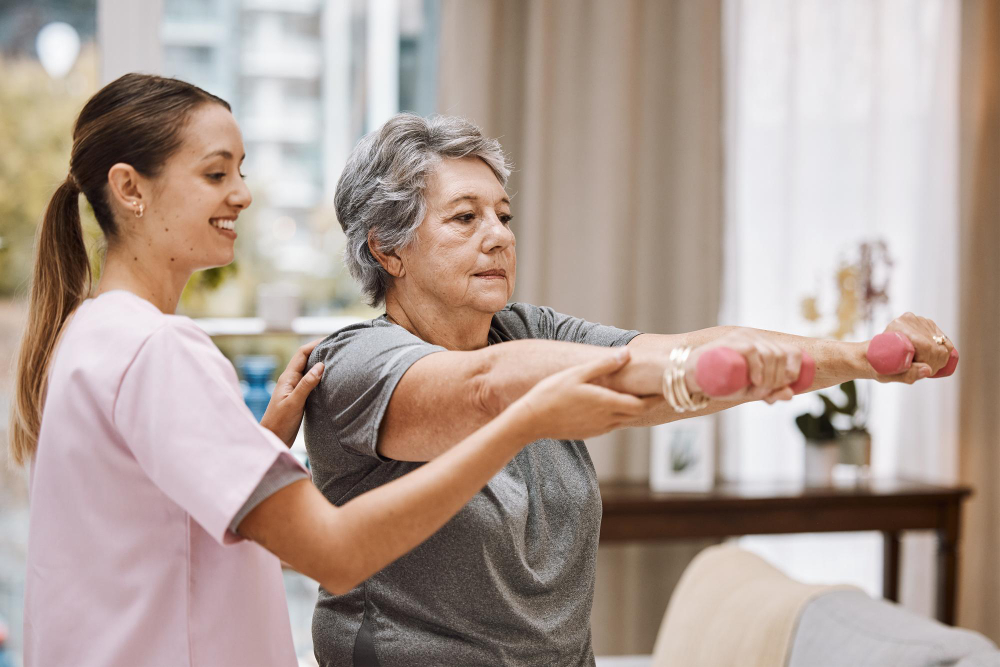
Introduction: Importance of Exercise for Women Over 60
Staying active is important at any age. However, for women over 60, exercise brings special benefits. Many women search for exercises for 60+ women that are safe and effective. Regular movement helps keep your body strong and your mind sharp. In fact, safe exercises for older women can boost energy, improve balance, and support independence. Even gentle routines can make a big difference in daily life.
Benefits of Regular Exercise for 60+ Women
There are many reasons to stay active after 60. For example, regular exercise can:
Moreover, physiotherapy routines for seniors can help manage pain from arthritis or other conditions. According to the CDC, older adults who exercise often enjoy better health and more independence.
Key Safety Tips Before Starting
Before you begin any new routine, safety comes first. Here are some tips to help you start safely:
Additionally, always warm up before and cool down after your workout. This helps prevent injuries and keeps your muscles healthy.
Recommended Exercises for 60+ Women
Many best workouts for women over 60 are simple and easy to do at home. Below are safe exercises for older women, grouped by type:
Strength Exercises
Flexibility Exercises
Balance Exercises
Aerobic Exercises
Remember, you can mix and match these exercises to keep your routine fun and interesting.
How to Start and Maintain a Routine
Starting a new habit can feel hard. However, small steps make it easier. Begin with short sessions, such as 10 minutes a day. Gradually add more time as you feel stronger. Setting a regular schedule helps you stay on track. For example, try exercising at the same time each day. You can also invite a friend to join you for extra motivation. Tracking your progress in a notebook or app can help you see your improvements.
When to Consult a Physiotherapist
Sometimes, you may need expert advice. Consider seeing a physiotherapist if you:
A physiotherapist can design a plan just for you. They can also teach you how to do each exercise safely.
Prevention of Injuries and Common Mistakes
Injuries can happen if you rush or use poor form. To avoid problems, remember these tips:
Additionally, avoid comparing yourself to others. Your progress is unique to you.
Conclusion and Encouragement
Staying active with exercises for 60+ women can help you enjoy life more. Even small changes can lead to big health benefits. Remember, it is never too late to start moving. For the best results, choose safe exercises for older women and listen to your body. If you need help, consult a physiotherapist at Movement School Physio Clinics for personalized exercise guidance