What is Infectious Arthritis?
Infectious arthritis is a joint infection caused by bacteria, viruses, or fungi. This condition is also known as septic arthritis. It can affect people of any age. However, it is more common in young children and older adults. When germs enter a joint, they cause swelling, pain, and sometimes damage. Early treatment is important because joint infection can lead to lasting problems if not managed quickly. Infectious arthritis is a medical emergency in many cases.
Symptoms of Infectious Arthritis
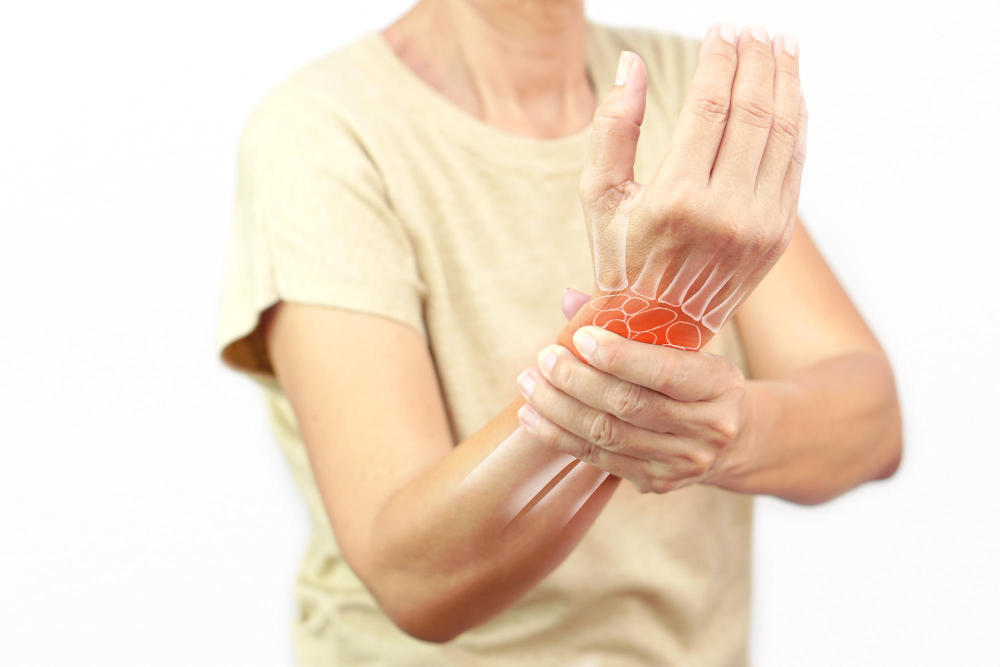
Symptoms of infectious arthritis can appear suddenly. For example, you may notice pain in one joint, often the knee, but sometimes the hip, ankle, or wrist. Other signs include:
Sometimes, children may refuse to move the affected limb. In adults, the pain may be so strong that even light touch hurts. Because these symptoms can look like other types of arthritis, it is important to seek medical help quickly.
Causes and Risk Factors
Infectious arthritis happens when germs enter a joint. Usually, bacteria are the cause, but viruses or fungi can also lead to joint infection. The most common bacteria are Staphylococcus aureus and Streptococcus species. These germs can reach the joint through:
Some people have a higher risk of septic arthritis. For instance, risk factors include:
Because these factors increase your risk, it is important to be aware of symptoms if you have any of them.
How is Infectious Arthritis Diagnosed?
Doctors use several steps to diagnose infectious arthritis. First, they ask about your symptoms and medical history. Next, they examine the affected joint for swelling, redness, and warmth. To confirm a joint infection, doctors may:
Joint fluid tests help find the exact germ causing the infection. According to the Centers for Disease Control and Prevention (CDC), quick diagnosis is key to prevent joint damage.
Treatment Options for Infectious Arthritis
Treating infectious arthritis needs fast action. Most cases require hospital care. Doctors usually start with antibiotics given through a vein (IV antibiotics) to fight the infection. The type of antibiotic depends on the germ found in the joint fluid. In some cases, antifungal or antiviral medicines are needed.
Besides medicine, doctors may:
Early treatment helps prevent lasting joint damage. According to the World Health Organization (WHO), most people recover well if treated quickly.
Prevention and Lifestyle Tips
While not all cases can be prevented, you can lower your risk of joint infection with these tips:
After treatment, follow your doctor’s advice for rehabilitation for arthritis. This may include gentle exercises to restore movement and strength.
When to See a Doctor
If you notice sudden joint pain, swelling, redness, or fever, seek medical help right away. Early treatment for infectious arthritis can prevent serious problems. Even if you have mild symptoms, it is better to get checked. Quick action can make a big difference in your recovery.
In summary, infectious arthritis is a serious joint infection that needs fast care. If you have symptoms or risk factors, consult your doctor or a specialist at Movement School Physio Clinics for personalized advice and treatment.