
What is Knee Osteoarthritis?
Knee osteoarthritis is a common joint problem. It happens when the cartilage in your knee wears down. Because of this, your bones may rub together. This can cause pain, swelling, and stiffness. Many people over age 50 get knee osteoarthritis. However, younger people can also have it, especially after a knee injury.
Common Symptoms and Causes
Often, knee osteoarthritis starts slowly. But over time, symptoms can get worse. For example, you might notice pain after walking or climbing stairs. You may also feel stiffness, especially in the morning or after sitting for a while. Sometimes, your knee may swell or feel warm.
There are several causes and risk factors, such as:
Because these factors add up, it is important to know how to manage knee osteoarthritis early.
How Physiotherapy Helps Knee Osteoarthritis
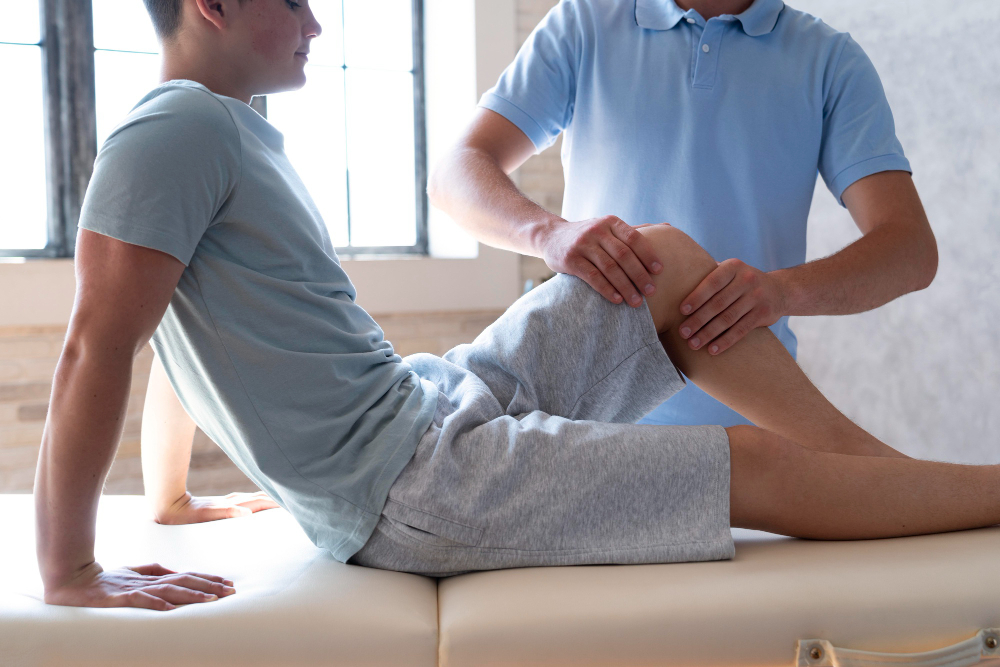
Physiotherapy is a safe and proven way to manage knee osteoarthritis. In fact, experts from the CDC and WHO recommend exercise as a first step. Physiotherapy benefits for knee pain include:
Because physiotherapists design exercises for your needs, you can feel more confident and safe.
Top Physiotherapy Exercises for Knee Osteoarthritis
With the right exercises, you can manage pain and improve strength. Here are some of the best exercises for knee osteoarthritis:
Always start slowly. If you feel pain, stop and rest. Because everyone is different, a physiotherapist can help you choose the best exercises for your needs.
Tips for Safe Exercise and Daily Living
Staying safe is important when you exercise. Here are some tips to help you:
Because daily habits matter, try to avoid sitting for long periods. Instead, get up and move often. This helps keep your knee flexible.
Prevention and Lifestyle Guidance
While you cannot always prevent knee osteoarthritis, you can lower your risk. Here are some lifestyle tips:
Because small changes add up, these steps can help protect your knees over time.
When to See a Specialist
Sometimes, knee pain does not get better with home care. You should see a doctor or physiotherapist if:
Because early treatment can prevent more damage, do not wait to get help.
In summary, managing knee osteoarthritis with physiotherapy exercises can help you stay active and reduce pain. For the best results, consult a physiotherapist at Movement school physio clinics for personalized exercise plans and safe management of knee osteoarthritis.