
What Are Pelvic Floor Issues in Women?
Many women experience pelvic floor issues at some point in life. The pelvic floor is a group of muscles that support the bladder, uterus, and bowel. When these muscles weaken or become tight, problems can occur. For example, women may notice bladder leaks, pain, or trouble with bowel movements. Pelvic floor issues can affect daily life and comfort. However, physiotherapy for pelvic floor issues in women offers safe and effective help. Pelvic floor physiotherapy benefits include better muscle control and less discomfort. Women’s pelvic health rehabilitation focuses on restoring strength and function.
Common Symptoms and Causes
Pelvic floor problems can show up in different ways. Some common symptoms include:
There are many causes for these issues. For instance, pregnancy and childbirth can stretch or weaken pelvic muscles. Aging and menopause may also play a role. In addition, heavy lifting, obesity, or chronic coughing can add extra strain. Sometimes, surgery or injury can lead to problems as well.
How Physiotherapy Helps: Techniques and Approaches
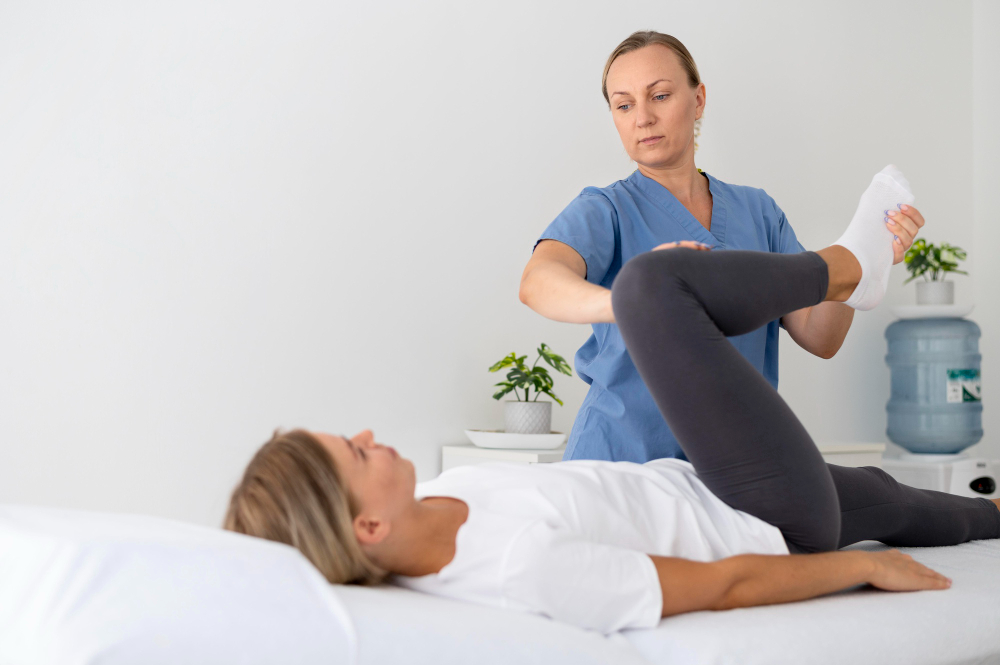
Physiotherapy for pelvic floor issues in women uses gentle, targeted exercises. These exercises help strengthen or relax the pelvic muscles. First, a physiotherapist will assess your needs. Then, they will create a plan just for you. Common techniques include:
Sometimes, the physiotherapist may use special tools or devices. These help you learn how to use your muscles better. According to the World Health Organization, early treatment can prevent symptoms from getting worse.
Benefits of Physiotherapy for Pelvic Floor Health
There are many benefits to pelvic floor physiotherapy. For example, women often notice less pain and fewer leaks. In addition, muscle strength and control improve. Other benefits include:
Research from the CDC shows that physiotherapy can be as effective as surgery for some pelvic floor problems. Therefore, it is a safe first step for many women.
What to Expect During Physiotherapy Sessions
At your first visit, the physiotherapist will ask about your symptoms and health history. Next, they may do a gentle exam to check your pelvic muscles. After that, you will learn simple exercises and tips to practice at home. Each session lasts about 30 to 60 minutes. Over time, your plan may change as you get stronger. Most women see progress after a few weeks. If you search for “pelvic floor physiotherapy near me,” you can find local experts who offer these services.
Lifestyle Tips and Prevention Strategies
Along with physiotherapy, healthy habits can support your pelvic floor. Here are some tips:
With these steps, you can help prevent future problems. Even small changes can make a big difference over time.
When to Consult a Physiotherapist
If you notice any symptoms of pelvic floor issues, do not wait. Early care can stop problems from getting worse. You should see a physiotherapist if you:
Remember, help is available. Many women find relief with the right support and care.
In summary, physiotherapy for pelvic floor issues in women offers safe, proven help. If you have symptoms, consult a qualified physiotherapist for personalized pelvic floor care and guidance at Movement School Physio Clinics.