
Introduction to Male Pelvic Health and Incontinence After Prostate Surgery
Many men face changes in their pelvic health after prostate surgery. Incontinence, or leaking urine, is a common issue. Pelvic floor physiotherapy for male incontinence offers hope for recovery. This therapy helps men regain control and improve their daily lives. In fact, experts from the World Health Organization and leading medical journals support its use. Understanding male pelvic health is the first step to finding relief.
Common Symptoms of Post-Prostate Surgery Incontinence
After prostate surgery, some men notice changes in how they pass urine. For example, you might experience:
Sometimes, these symptoms can feel embarrassing. However, they are common and treatable.
Causes of Incontinence Following Prostate Surgery
Prostate surgery can affect the muscles and nerves that help control urine flow. As a result, the pelvic floor muscles may weaken. These muscles support the bladder and help keep urine in. Additionally, surgery may change how the bladder and urethra work together. This can lead to leaks or trouble holding urine. Not every man will have the same symptoms, but many face similar challenges.
Diagnosis and Assessment Methods
Doctors use several methods to check for incontinence after prostate surgery. First, they may ask about your symptoms and medical history. Next, you might be asked to keep a diary of your bathroom visits. Sometimes, simple tests help measure how much urine you leak. In some cases, your doctor may suggest an ultrasound or other scans. These tools help find the best treatment for your needs.
How Pelvic Floor Physiotherapy Works
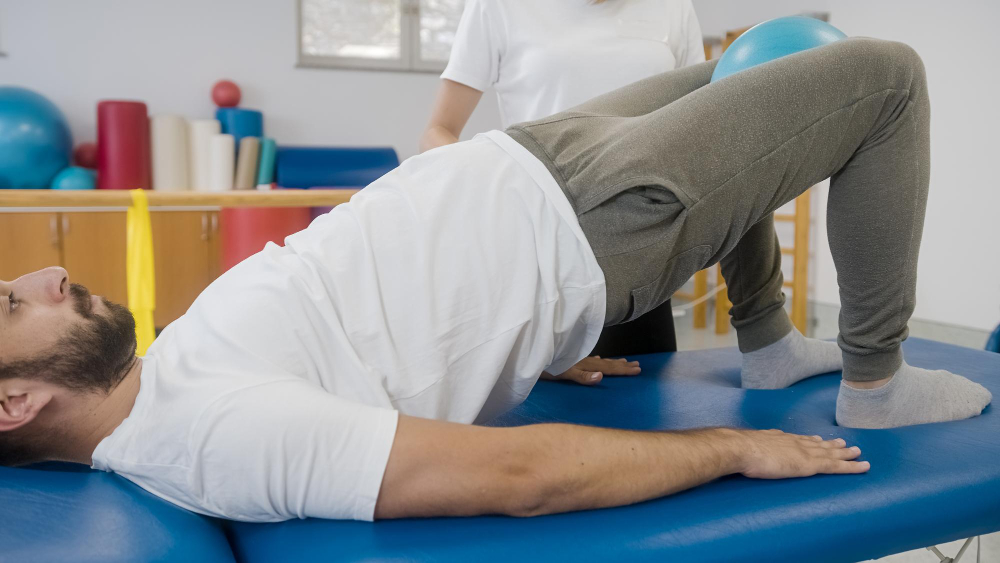
Pelvic floor physiotherapy for male incontinence focuses on strengthening the muscles that control urine flow. A trained physiotherapist will teach you special exercises, often called Kegel exercises. These moves target the pelvic floor muscles. Over time, these exercises help you hold urine better. In addition, your therapist may use biofeedback. This tool helps you see how your muscles work and improve your technique. Regular practice can make a big difference.
Evidence-Based Benefits of Pelvic Floor Physiotherapy for Men After Prostate Surgery
Research shows that pelvic floor physiotherapy helps many men after prostate surgery. Studies in medical journals report that men who do these exercises often regain bladder control faster. For example, the CDC and other health groups support pelvic floor training as a safe, effective treatment. Benefits can include:
With guidance, most men see progress within a few months.
Practical Tips and Lifestyle Guidance for Managing Incontinence
Managing incontinence after prostate surgery can feel challenging. However, simple changes can help. Try these tips:
With patience and support, you can manage symptoms and feel more comfortable.
Prevention Strategies and When to Seek Professional Help
Although not all incontinence can be prevented, you can lower your risk. For instance, start pelvic floor exercises before surgery if possible. After surgery, keep doing the exercises as your doctor recommends. Avoid heavy lifting, which can strain your pelvic muscles. If you notice new or worsening symptoms, talk to your healthcare provider. Sometimes, other treatments or tests may be needed. Early help can lead to better results and peace of mind.