
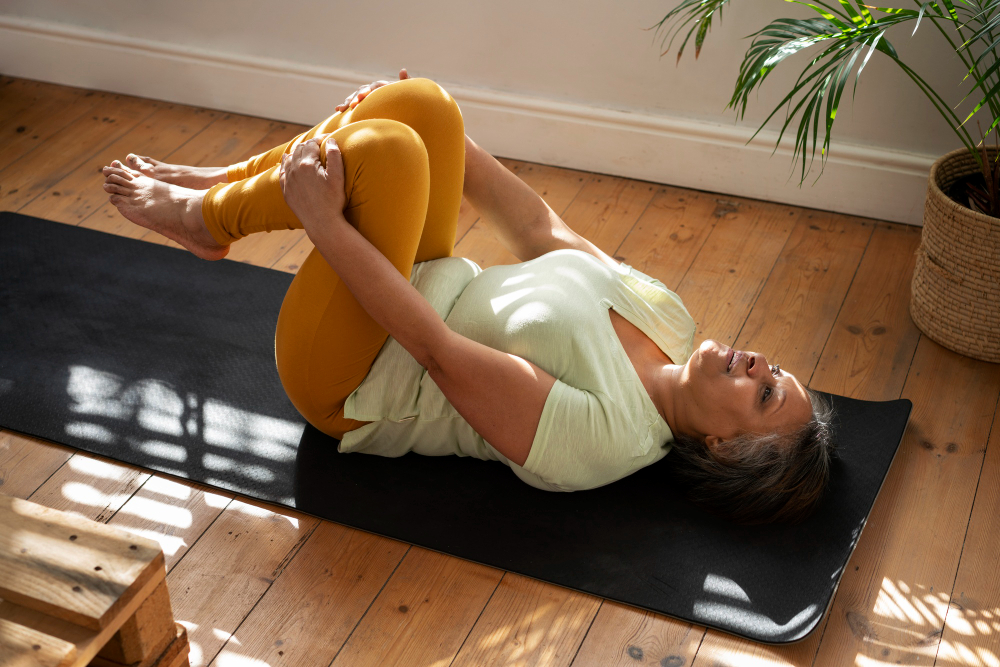
Menopause and your body go through many changes. This stage marks the end of monthly periods. For many women, it brings symptoms like hot flashes, mood swings, and sleep problems. However, it can also affect your pelvic floor, joints, and muscle strength. Because of these changes, many women look for ways to feel better. Physiotherapy for menopause can help manage these symptoms and improve quality of life.
What Is Menopause?
Menopause is a natural part of aging for women. It usually happens between ages 45 and 55. During menopause, the body makes less estrogen and progesterone. As a result, periods stop for good. Some women notice changes in their bodies before menopause. This time is called perimenopause. During this phase, hormone levels go up and down. For example, you may have irregular periods or night sweats. The World Health Organization (WHO) says menopause is confirmed when you have not had a period for 12 months.
How Menopause Affects the Pelvic Floor
During menopause, lower estrogen levels can weaken the pelvic floor muscles. These muscles support the bladder, uterus, and bowel. Because of this, you may notice:
Not all women have these symptoms. However, they are common and can affect daily life. As hormone changes continue, the risk of pelvic floor issues can increase.
Physiotherapy for Pelvic Floor Changes
Fortunately, pelvic floor therapy can help. Physiotherapists teach you how to strengthen these muscles. Because each woman is different, treatment plans are tailored to your needs. For example, a physiotherapist may show you:
In many cities, you can find clinics that offer physiotherapy for menopause. Some clinics even have female therapists who specialize in pelvic health. Early treatment can help prevent symptoms from getting worse.
Joint Pain During Menopause: Causes and Solutions
Many women notice joint pain in menopause. Lower estrogen can affect the tissues around your joints. Because of this, you may feel stiff or sore, especially in the morning. The CDC notes that joint pain is common in women after menopause. Some reasons include:
However, physiotherapy can help reduce pain and improve movement. For example, your physiotherapist may suggest:
With regular care, many women find their joint pain becomes easier to manage.
Strength Loss and How Physiotherapy Can Help
After menopause, muscle strength can decrease. This is called strength loss after menopause. Because muscles help support your bones and joints, losing strength can make daily tasks harder. For example, you may notice it is harder to climb stairs or carry groceries. Physiotherapy for menopause focuses on building strength safely. Your therapist may guide you through:
Even small changes can make a big difference. Over time, you may feel stronger and more confident.
Lifestyle Tips to Support Your Body During Menopause
Besides physiotherapy, healthy habits can support your body during menopause. For instance, you can:
Because stress can make symptoms worse, try relaxation methods like deep breathing or meditation. If you smoke, quitting can also help your bones and joints stay healthy.
Prevention and Early Intervention Strategies
Early action can help prevent or reduce menopause symptoms. For example, start pelvic floor exercises before symptoms begin. Regular check-ups with your doctor can catch changes early. If you notice joint pain or weakness, talk to a physiotherapist. Many clinics offer pelvic floor therapy and joint care for women in your area. The sooner you start, the better your results may be. With the right support, you can stay active and healthy during menopause and beyond.
Conclusion
If you are experiencing changes during menopause, we are here to help. Book a consultation at Movement school physio clinics to discuss your needs and start your journey to better health.