
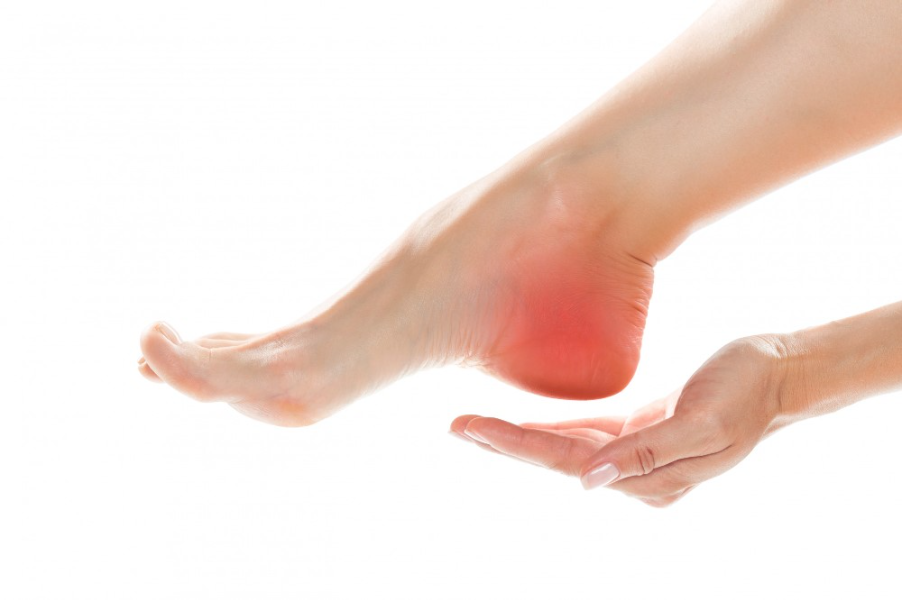
Plantar fasciitis & Physiotherapy
Plantar fasciitis can make the first few steps in the morning painful and uncomfortable. Physiotherapy focuses on reducing pressure on the heel, improving foot movement and correcting the factors that repeatedly overload the plantar fascia.
How Physiotherapists Personalize Treatment Plans
Every person’s foot is different. Therefore, physiotherapists create treatment plans based on your needs. They consider your symptoms, activity level, and foot shape. As a result, you get care that fits your lifestyle. Regular check-ins help track your progress and adjust your plan as needed.
Physiotherapy Assessment
Our physiotherapist begins by assessing:
- Foot posture and arch support
- Ankle and toe mobility
- Calf-muscle flexibility
- Foot and ankle strength
- Balance and weight distribution
- Walking and running pattern
- Footwear and daily activity habits
This assessment helps create a treatment plan based on the patient’s movement pattern rather than focusing only on the painful heel.
Physiotherapy Treatments for Plantar Fasciitis
Physiotherapy can help reduce pain and improve foot function. Here are safe and effective treatments options:
Plantar Fascia and Toe-Extension Stretches
- Gently pull your toes back toward your shin to stretch the bottom of your foot.
- Hold for 15–30 seconds and repeat several times daily.
Calf and Achilles Tendon Stretches
- Stand facing a wall, place one foot behind, and keep your heel on the ground.
- Lean forward to stretch your calf and Achilles tendon.
- Hold for 15–30 seconds and switch sides.
Towel Stretches for the Foot and Ankle
- Sit with your legs outstretched. Loop a towel around your foot.
- Gently pull the towel toward you to stretch your foot and ankle.
- Repeat this stretch several times a day.
Rolling the Arch Over a Ball or Frozen Bottle
- Place a small ball or frozen water bottle under your foot.
- Roll it back and forth for a few minutes to massage the arch.
Foot and Ankle Strengthening Exercises
- Pick up small objects with your toes to build strength.
- Practice toe curls and ankle movements to support your arch.
Manual Therapy for Stiffness and Mobility
- Your physiotherapist may use hands-on techniques to reduce stiffness.
- This can help improve movement and decrease pain.
Taping, Supportive Footwear, and Custom Insoles
- Taping the foot can support the arch and reduce strain.
- Wearing shoes with good arch support is important.
- Custom insoles may help if you have flat feet or high arches.
Gait, Posture, and Lower-Limb Alignment Assessment
- Your physiotherapist will check how you walk and stand.
- They may suggest changes to improve your posture and reduce stress on your feet.
Activity Modification and Gradual Return to Exercise
- It is important to avoid sudden increases in activity.
- Your physiotherapist will guide you on safe ways to return to exercise.
What are the Common Mistakes to Avoid?
Some habits can make plantar fasciitis worse. To help your recovery, avoid these mistakes:
- Walking barefoot on hard floors
- Suddenly increasing your activity or exercise
- Ignoring morning heel or arch pain
- Wearing unsupportive or worn-out shoes
- Skipping recommended stretches and exercises
Conclusion
Plantar fasciitis can cause sharp morning heel and arch pain effecting routine activities and quality of life, but physiotherapy offers effective relief. Early treatment and the right exercises can help you recover and prevent future problems.
Take the first step towards pain-free mornings. Visit Movement School Physio Clinics for a personalised heel and foot rehabilitation plan.