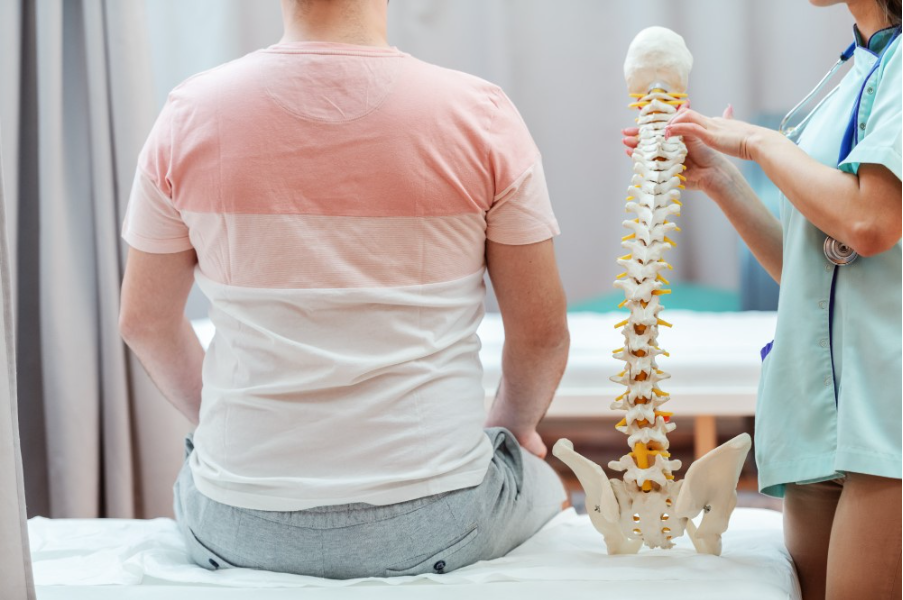
Spine pain can affect your daily life, making simple tasks hard. However, you do not have to live with discomfort. At Movement School Physio Clinics, you can manage spine pain with a personalised, non-surgical rehabilitation plan. This approach uses expert physiotherapy and tailored care to help you feel better without surgery.
How is Spondylosis, spondylitis, spondylolysis and spondylolisthesis treated with Non-Surgical Physiotherapy?
Spondylosis, spondylitis, spondylolysis and spondylolisthesis require different rehabilitation strategies. Physiotherapy focuses on improving spinal control, mobility, strength and daily function without using the same exercise programme for every condition.
At Non-Surgical Physiotherapy for Spondylosis, Spondylitis, Spondylolysis & Spondylolisthesis Movement School Physio Clinics, each patient gets a plan made just for them.
Condition-Specific Physiotherapy Assessment
The physiotherapist evaluates:
- Spinal posture and alignment
- Neck and back mobility
- Core-muscle activation
- Hip and shoulder movement
- Muscle strength and flexibility
- Balance and walking pattern
- Nerve-related limitations
- Sitting, lifting and exercise habits
The treatment programme is then planned according to spinal stability, stiffness and functional requirements.
Core Stability and Spinal Control
Core training helps the abdominal, back and pelvic muscles support the spine during movement.
The programme may include:
- Abdominal bracing
- Pelvic-control exercises
- Dead-bug variations
- Bird-dog exercises
- Bridge exercises
- Controlled limb movements
For spondylolysis and spondylolisthesis, physiotherapy places additional focus on maintaining a stable spine during daily and sporting activities.
Spinal Mobility Exercises
Gentle mobility exercises help improve movement without placing unnecessary stress on the spine.
For inflammatory spinal stiffness, the programme may include:
- Upper-back mobility
- Chest-opening movements
- Hip mobility
- Controlled spinal rotation
- Postural extension exercises
The intensity is adjusted according to the condition.
Strengthening the Supporting Muscles
Physiotherapy strengthens the muscles that support spinal movement, including:
- Abdominal muscles
- Back muscles
- Glutes
- Hip muscles
- Shoulder-blade muscles
- Postural muscles
Improved strength helps the body tolerate sitting, standing, lifting and walking more comfortably.
Manual Therapy
When appropriate, the physiotherapist may use joint mobilisation and soft-tissue techniques to improve stiffness and muscle flexibility.
Manual therapy is combined with active exercise so that improvement continues outside the clinic.
Posture and Ergonomic Training
Patients are taught how to manage the spine during everyday activities.
This may include:
- Correct sitting posture
- Laptop and workstation setup
- Safe lifting techniques
- Sleeping-position guidance
- Bending and reaching methods
- Movement breaks during prolonged sitting
Functional Rehabilitation
Exercises gradually progress towards the patient’s goals, such as:
- Walking for longer periods
- Climbing stairs
- Lifting safely
- Returning to work
- Resuming gym or sports activities
- Managing household activities
Long-Term Exercise Planning
A personalised home programme helps maintain strength, flexibility and spinal control. The physiotherapist regularly modifies the programme according to progress.
Improve spinal control and return to daily activities with a personalised non-surgical rehabilitation programme at Movement School Physio Clinics.
Benefits of a Tailored Approach
When you choose a personalised plan, you get care that fits you. For instance, your physiotherapist will adjust exercises as you improve. This means you recover at your own pace. Also, a tailored plan helps prevent future pain. According to medical research, personalised rehab leads to better results and higher patient satisfaction.
What to Expect During Your Physiotherapy Sessions
During your sessions at Movement School Physio Clinics, you will work with a caring expert. First, they will check your pain and movement. Next, you will learn safe exercises and stretches. Sometimes, you may get hands-on therapy to relax your muscles. Each session is designed to help you feel stronger and more comfortable. Over time, you will
Conclusion
You do not have to face spine pain alone. Movement School Physio Clinics offers expert spine pain physiotherapy and non-surgical spine pain treatment.
Manage spine pain with a personalised, non-surgical rehabilitation plan at Movement School Physio Clinics.